Home prices continue to rise in most areas of the country as more home buyers face affordability challenges. The median price nationwide for an existing single-family home in the third quarter was $406,900, which is 2.2% higher than a year prior, according to the National Association of REALTORS®. More than 80% of metro areas registered home price gains in the third quarter, with some markets posting double-digit increases.
“Homeowners have accumulated sizable wealth, with a typical homeowner gaining more than $100,000 in overall net worth since 2019 and before the height of the pandemic,” says NAR Chief Economist Lawrence Yun. “However, the persistent lack of available homes on the market will make the dream of homeownership increasingly difficult for younger adults unless housing supply is significantly boosted.”
Along with higher home prices, buyers in the third quarter faced surging borrowing costs, with the 30-year fixed-rate mortgage ranging from 6.81% to 7.31% in that time. The monthly mortgage payment on a typical existing single-family home, assuming a 20% down payment, was $2,192—up 19.2% from a year ago, NAR’s data shows.
In about 46% of the markets NAR tracks, a family needs a qualifying income of at least $100,000 to afford a typical home with a 10% down payment. A family with an income of less than $50,000 can afford a typical home in only 2.7% of markets, NAR’s research shows.
Where Home Prices Are Surging the Most
The South had the largest share of existing-home sales in the third quarter, along with year-over-year price appreciation at 1.7%, according to NAR’s report. But home prices have grown the most in the Northeast and Midwest, which each saw a 5.2% annual gain. In the West, prices were more subdued in the third quarter with a 0.6% increase.
The top 10 metros with the largest year-over-year price increases all recorded gains of at least 12.6%. Fond du Lac, Wis., topped the list, recording a price increase of 18.9% compared to a year ago, NAR’s report shows.
Overall, eight of the 10 priciest U.S. markets in the third quarter were all in California. The only markets outside California to fall on the list were Honolulu and Boulder, Colo.
Where Home Prices Are Moderating
Less than one-fifth of the 221 markets NAR tracks—or 17%—posted price declines in the third quarter, down significantly from 41% in the second quarter.
Some areas where housing had previously been booming saw prices decrease in the third quarter as they backed off from their pandemic-fueled highs. For example, year-over-year prices in the third quarter fell by 10.3% in Austin, Texas; 1.5% in Phoenix; 1.2% in Salt Lake City; and 1.1% in Dallas and Houston, the report shows.
“Following the big price changes during the last several years, it’s natural to witness momentary swings in prices,” Yun says. “Some markets that experienced sizable home price gains since 2020 have turned lower, resulting in temporary relief for prospective home buyers. Also, a few markets in the West that experienced price declines in the prior quarter have seen prices rise again.”
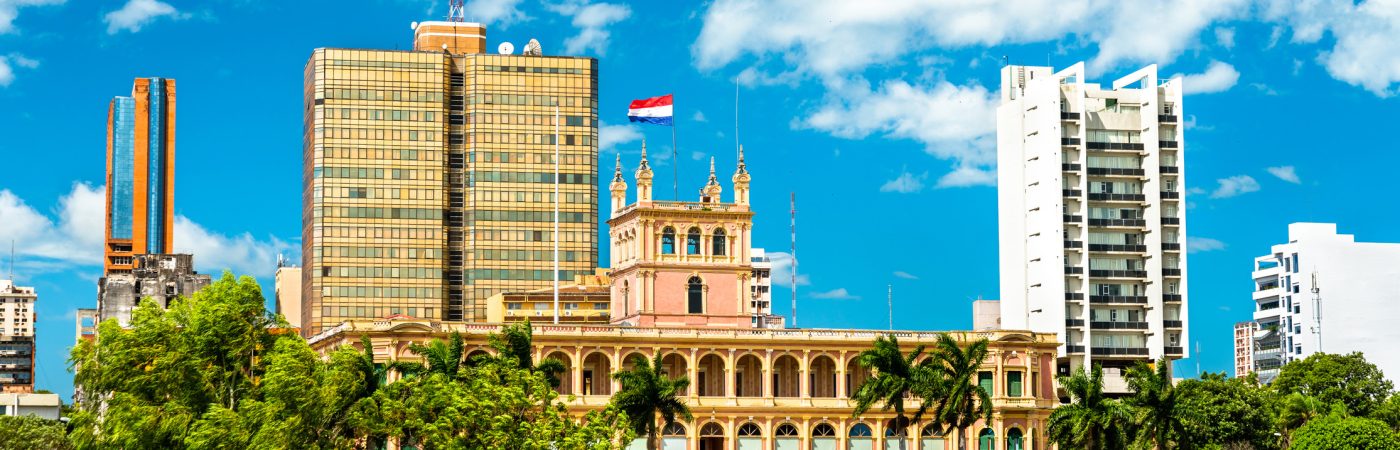
As one of the oldest cities in South America, Asunción is also known as “The Mother of Cities”. Rich with history and culture, the capital of Paraguay also enjoys all the modern amenities of a modern metropolis. Recent visitors are discovering what residents of this diverse city experience daily; Asunción offers unique shopping, a plethora of outdoor experiences, historical places of interest, museums, music and theater companies, sports venues, nightlife and, of course, delicious food.
Coldwell Banker Origenes Broker/Owner, Gustavo Gomez, opened the first Coldwell Banker Paraguay office in Asunción in March of 2023. Gustavo shares, “Those seeking a relaxing break away from the hustle and bustle of everyday life will find an atmosphere ofserene relaxation, offering them the time to recharge amidst the stunning landscapes and delicious cuisine.” Gomez elaborates on culinary diversity, love of the surrounding natural beauty, and enjoyment of living or visiting Asunción in the interview below, and his passion for his home might inspire you to learn more by visiting in person.
Where do you live? I live in Asunción, Paraguay
What is the perfect weekend day like? To wake up and savor a leisurely Paraguayan breakfast with tereré (traditional breakfast drink) before embarking on a journey to explore the wonders of Paraguay.
What are the common modes of transportation there? The best way of getting around is to rent a car, ride a bike, take the bus, ortravel by taxi.
Tell us about the foods your area is known for. Paraguay boasts a vibrant culinary scene with a fusion of flavors influenced by its rich cultural heritage and the blending of indigenous, Spanish, and Guarani traditions. Paraguayan cuisine emphasizes the use of fresh ingredients, including meats, seafood, vegetables, and fruits. While it may not have the same international recognition as some other cuisines, Paraguay’s food scene is rich in flavor and reflects the country’s cultural diversity. Whether you’re savoring a traditional Paraguayan barbecue of grilled beef, sausages, or chicken with chimichurri sauce or indulging in sweet delights like Mbatata (sweet potatoes prepared in various ways), Paraguay offers a unique and delightful culinary experience.
What is your favorite meal, at home or at a restaurant? I have a deep appreciation for our traditional Paraguayan cuisine. The variety of flavors and dishes we offer truly makes our culinary heritage something special. To start a meal, we have a delightful selection of mezes that include:
Sopa Paraguaya a cornbread and cheese soup; Mbeju cheesy flatbread with a crispy exterior and a soft, gooey interior; Chipa cheesy bread rolls enjoyed as snacks; Mandioca Frita, fried cassava sticks with dipping sauce; Empanadas, which are savory turnovers filled with various things like meat, cheese or vegetables; or Saraki, a traditional corn and cheese dish.
Where do you recommend someone vacation in your region and why?
For historical significance, Areguá is a charming town and attracts visitors year-round who wander through its picturesquewinding streets and relax in one of its cozy cafes and There are well-preserved ruins of the Jesuit Missions which display Paraguay’s rich colonial history and architectural heritage.
Experience the regional culture at Cerro Cora National Park which is steeped in history, and brimming with intriguingtrails, historical sites, and quaint shops and eateries to Paraguay is renowned for its exquisite Ñanduti Lace, atraditional craft passed down through generations. You can find these intricate lace creations in local markets, souvenirshops, and boutique stores throughout the country.
Enjoy the natural wonders of Paraguay. The Iguazu Falls is a breathtaking sight to behold, offering an awe-inspiringexperience for nature enthusiasts and adventurers Pantanal Wetlands offers a unique opportunity to witness Paraguay’s diverse wildlife and lush landscapes. You can embark on guided wildlife tours and birdwatching excursionsin this pristine natural habitat.
Imbibe in local fare and culture of yerba mate, a traditional Paraguayan bever age, by joining locals in enjoying thisflavorful tea-like drink, or let time roll by with a stroll by the Asunción Riverfront, a perfect spot to relax and watch the world go by.
What is your favorite recreational or leisure time activity? Paraguay offers a wide range of activities for both summer and winter. Itsdiverse natural landscapes, from unspoiled beaches to rolling hills and magnificent mountain ranges, provide the perfect backdrop forvarious activities. Some popular options include horseback riding, trekking, birdwatching, water sports, golfing, guided historical tours, and cultural events. Additionally, Paraguay boasts a vibrant nightlife scene, with bars, hotel lounges, and live music venues that comealive after dark.
Is there a specialty your area is known for? Paraguay has a rich cultural heritage, and its artisans produce a variety of unique handicrafts and traditional goods. These include Ñanduti lacework, ceramic pottery, intricate embroidery, and handmade jewelry. Youcan find these locally crafted treasures in bustling markets, souvenir shops. and artisan boutiques, each bearing the cultural heritageand craftsmanship of Para guay. These handicrafts and traditions are not only a source of cultural pride but also a means of preserving and sharing Paraguay’s rich heritage with the world. Travelers can explore these crafts and traditions in local markets, artisan shops,and cultural events throughout the country.
Share a little known but interesting fact about the area/region: Paraguay, located in the heart of South America, offers uniqueopportunities for investment and growth in various sectors.
Paraguay’s central location in South America makes it an attractive hub for trade and commerce. The country is a major exporter of soybeans, beef, and other agricultural products. It offers fertile land for farming and agribusiness investments. Paraguay has implemented policies to attract foreign investors. It offers tax incentives, ease of doing business, and political stability conducive to investments.
Paraguay’s real estate market, especially in urban areas like Asunción is experiencing growth. The demand for residential and commercial properties is on the rise, making it an attractive sector for investment. Paraguay is invested in improving its transportation and logistics infrastructure, including roads, ports, and airports, to enhance connectivity and facilitate trade. The country’s banking and financial services sector is growing as well, attracting investments from both domestic and international players. Paraguay has a young and growing workforce, providing a source of skilled labor for businesses.
While Paraguay offers numerous investment opportunities, it’s essential for potential investors to conduct thorough due diligence, seek local expertise, and stay informed about the evolving business environment and regulations. As the country continues to develop and open up to international investments, it presents a hidden treasure for those looking to diversify their portfolios or explore emerging markets.
If you were to live in any other region where we have a Coldwell Banker presence, where would it be and why? Around 20 years ago, I discovered the charm of Paraguay, and since then, I have found my second home in this beautiful country. Paraguay’s unique blend of friendly people, peaceful ambiance, and an amazing climate has captured my heart, making it impossible for me to imagine living anywhere else.
Territory Summary:
Paraguay is a landlocked country located in the heart of South America. Here is a summary of its territory, including aspects of economics, history, and geography.
Geography: Paraguay is bordered by Argentina to the south and southwest, Brazil to the east and northeast, and Bolivia to the northwest. The Paraguay River, one of the country’s main geographical features, runs north to south through the western region, dividing the country into two distinct geographic regions: the Gran Chaco to the west and the Eastern Region to the east. The Gran Chaco is a vast, sparsely populated region characterized by semi-arid plains, thorny scrubland, and occasional marshes. The Eastern Region, also known as the Paraná Plateau, is the more populated and economically developed part of the country. It features rolling hills, fertile plains, and a network of rivers and streams.
History: Paraguay has a rich and complex history. It was originally inhabited by indigenous peoples, including the Guaraní, who still form a significant part of the population and have influenced the country’s culture. Paraguay was colonized by Spain in the 16th century and gained independence in 1811. The 19th century was marked by conflicts, including the devastating Paraguayan War (1864-1870) against Argentina, Brazil, and Uruguay, which resulted in significant loss of life and territory for Paraguay. Political instability and authoritarian rule characterized much of the 20th century, including the long dictatorship of Alfredo Stroessner from 1954 to 1989.Since the transition to democracy, Paraguay has made progress in consolidating democratic institutions and promoting economic development.
Economics: Paraguay has a mixed economy with agricultural and industrial sectors playing significant roles. Agriculture is a major economic driver, with important exports including soybeans, beef, grains, and other agricultural products. The country has a significant hydroelectric power generation capacity, with the Itaipu Dam on the Paraná River being one of the largest hydroelectric power plants in the world. The Taxes percentage in Paraguay is 10%, it also has a GDP growth of 3,6%. Another good characteristic of stability in Paraguay is the annual inflation rate in Paraguay is only 4.2 percent.
This winter is forecasted to be harsh for many areas of the country. Here’s how homeowners are getting their properties ready.
Homeowners are taking on jam-packed to-do lists before the arrival of winter, which is expected to be harsh this year as a weather pattern known as El Niño threatens to wreak havoc on many areas of the country.
“From hurricanes to record snowfall to soaring temperatures, 2023 has seen its fair share of extreme weather,” notes a new report(link is external) from Thumbtack, a home service resource. “And it’s taken a toll on our homes. As homes get older and face more storms, some wear and tear is inevitable.”
The report notes that water damage cleanup and restoration projects have risen 91% year over year, and waterproofing projects are up 71%. Thumbtack also notes that roof inspections are up 108% annually, with nearly half focused on routine check-ups in preparation for the winter season.
Photo courtesy: Thumbtack
Homeowners can take proactive steps to get their house ready, including ensuring their gutters are properly installed and cleaned out each season. Home improvement professionals also say it’s important that basement walls are properly sealed to prevent water seepage. Checking the landscaping is also important to make sure water is flowing away from the house and not toward it.
The report notes an uptick in sump pump installation and repairs (up 63% compared to a year ago) as more homeowners take steps to remove excess water and protect their property from flood damage. “Sump pumps also can help homeowners reduce energy consumption and lower energy bills,” the report notes.
Also, the report notes a recent increase in projects geared toward maintaining the home’s heating system, particularly duct and vent repair, which are up 67% year over year. “Ensuring your HVAC system is serviced and working properly will help you stay warm during the cold winter months ahead and avoid any pricey emergency repairs,” the report notes.
Thumbtack evaluated its database of millions of home projects nationwide to uncover the top home projects this fall. The following are the repair projects homeowners are requesting most this fall and their average cost:
Appliance: $80
Electrical: $185
Plumbing (pipe repair): $175
Roof: $375
Plumbing (drain repair): $56-$129 per hour
Central air conditioning: $300 (average cost for labor and parts)
Drywall: $310
Sprinkler and irrigation system: $100
Garage door: $154
Locks: $104
Thumbtack also reports the following outdoor projects as most popular this fall:
Lawn mowing and trimming: $55-$70
Full-service lawn care: $65-$108
Tree trimming or removal: $490
Roof repair and maintenance: $400
Outdoor landscaping and design: $62-$96 (average minimum fee)
Barbara Ballinger 10/23/23The staircase is often a focal point in a home, but also the last on the priority list when it comes to design or remodeling. However, prioritizing the staircase can set the tone for the rest of the design.
Stairs primarily offer function, but also provide an opportunity to make a statement as a three-dimensional sculpture.
Homeowners should know that staircases, like most other parts of a home, can be renovated to suit desired tastes and styles.
Nowadays, there’s no single way to decorate, renovate or style a staircase, which makes it a great feature for creativity in design.
Few homeowners turn down a house because of the style and construction of the stairway. That’s because they’re viewed more for their function.
Still, aesthetics make a difference, especially since stairways often act as a focal point. “A stair can become a vertical feature and very dramatic statement that reflects what’s to come,” says designer Tom Segal of Kaufman Segal Design. Architect Bob Zuber, AIA, Principal of Morgante Wilson Architects agrees and adds that it’s the most important three-dimensional object in most homes, “which offers an opportunity to make a sculptural statement.”
There’s no single way to construct and decorate a staircase. In a recent Elle Décor magazine, editor and homeowner Ingrid Abramovich installed a classic striped runner on the stairs of her family’s 1870s vintage brownstone. In the same issue, designer Darryl Carter included a sweeping curved stair with fully exposed pale wood treads in a client’s new Georgian Revival-style house in Washington, D.C. Both solutions meld function and style to fit each house.
Architect Alexander Zilberman, AIA, Principal, Alexander Zilberman Architecture P.C. (AZA), says that instead of having a stairway make a grand gesture within an entranceway, he likes to tuck it aside in its own space for its own identity. “Pilasters and soffits can help define such a space, and it can bleed into another yet live in its own area,” he says.
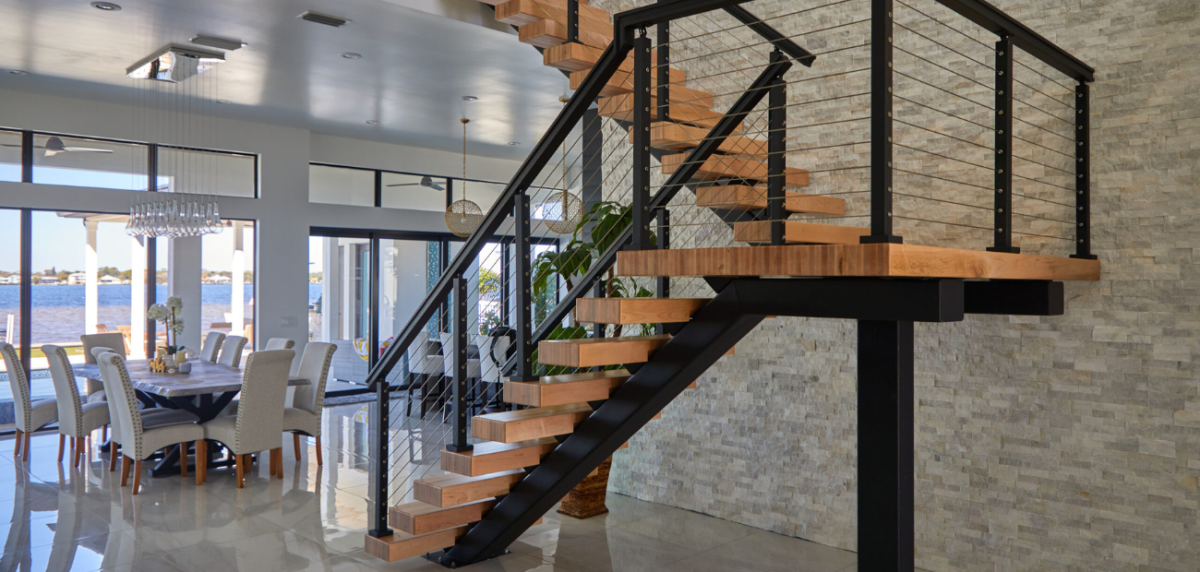
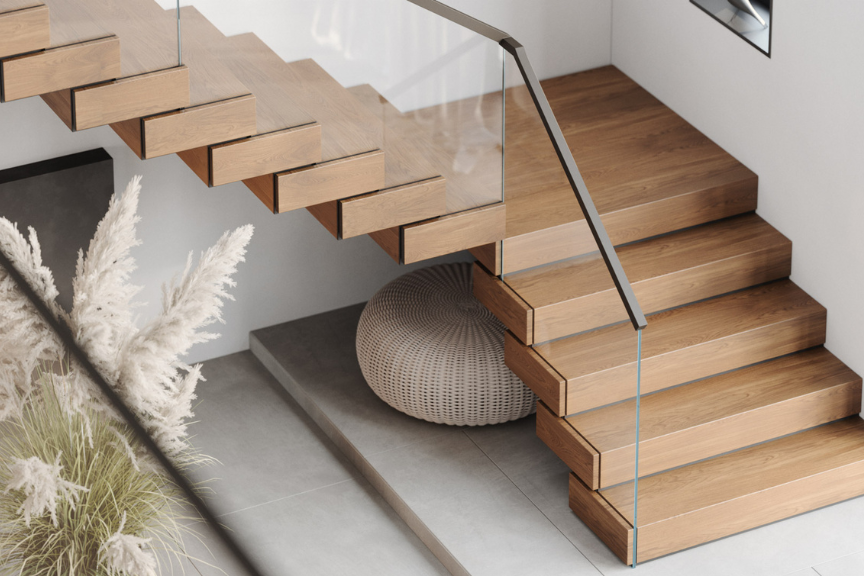
With extra attention, a stairway and its surroundings may help a sale by improving a buyer’s first impression, says broker Alicja Skibicki, Baird & Warner. “It’s not as important as a new kitchen or bathroom but can make a difference. Newer floating staircases can add a dramatic accent with sleek, clean lines, which younger buyers look for,” she says.
Consider Proportions
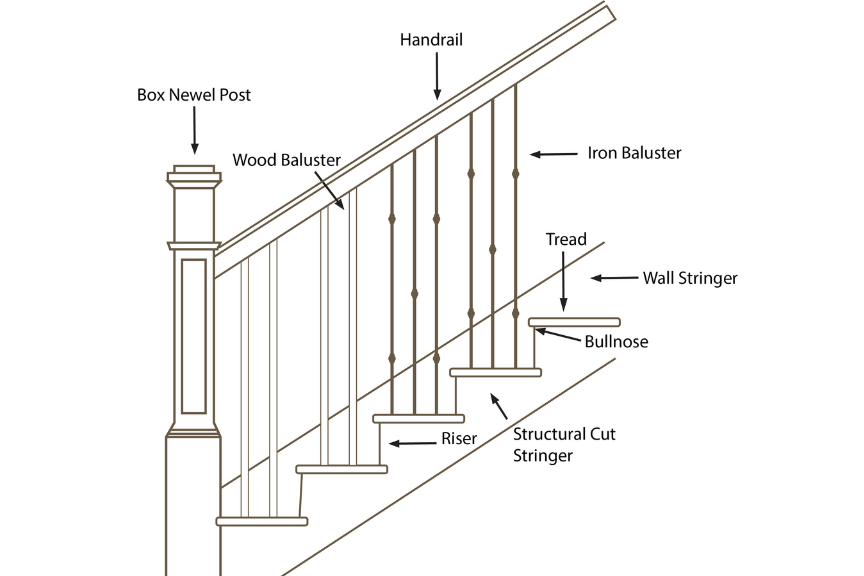
Hallways come in all shapes and sizes but what’s key is that the stairway be proportionate with the space around it. For safety, stair construction falls under building code rules in terms of riser height and tread width with some leeway. The goal when remodeling a stairway or building new is that climbing and descending a stairway should be a graceful journey, Zuber says. The parts—balustrade, railing, newel post and nose—should also be in proportion with one another. The Houzz design and remodeling site provides more guidelines to share, Key Measurements for a Heavenly Stairway.
Opt for Continuity
One of the trickiest decisions is to decide what color wood to use since some like having it compatible with exposed flooring, says Segal. “I advise clients to decide on their floor species and color first if they’re replacing it or restaining, and then proceed to the stairs and all its parts,” he says. “The wood or colors should match in stain color rather than be different,” he says.
Designers all have their favorites when it comes to color, shade and material. For instance, Segal favors walnut and oak for their durability and colors or stains in a darker or medium hue rather than light, but in cases of very contemporary homes he might pick a light stain, but not a whitewashed one.
Trends fall in and out of favor over time, so homeowners might want to consider more long-term factors—durability, desired aesthetic and the overall style of the home—instead.
Because so many of their clients favor a contemporary look, Zuber and colleagues use a lot of white oak with a light or pale stain and square off the nose—the part beyond the tread, which in the past was usually rounded. Zilberman prefers to make choices according to what’s happening throughout the house.
Mix It Up
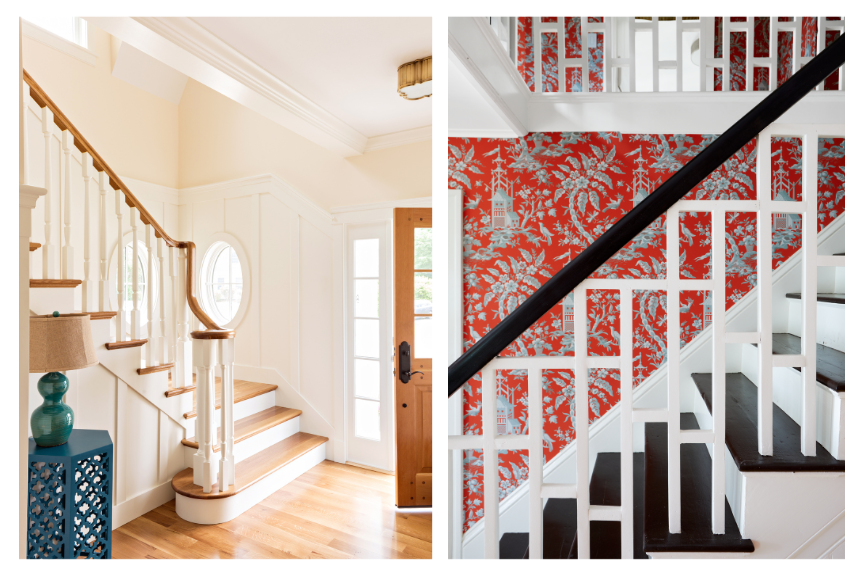
While many staircases have wood balustrades and spindles to match, some designers like variety. Designer Marina Case of The Red Shutters often paints the handrail Farrow & Ball’s “Railings” (No. 31) color, which gives a blue-black appearance. Segal has often painted the risers and spindles white or a trim color to lighten the look. Although some consider wrought-iron railings in older homes dated, he may keep them if they’re not overly embellished. Zilberman finds that quality materials and the right joinery and other details are sufficient to play up the staircase.
Go Contemporary
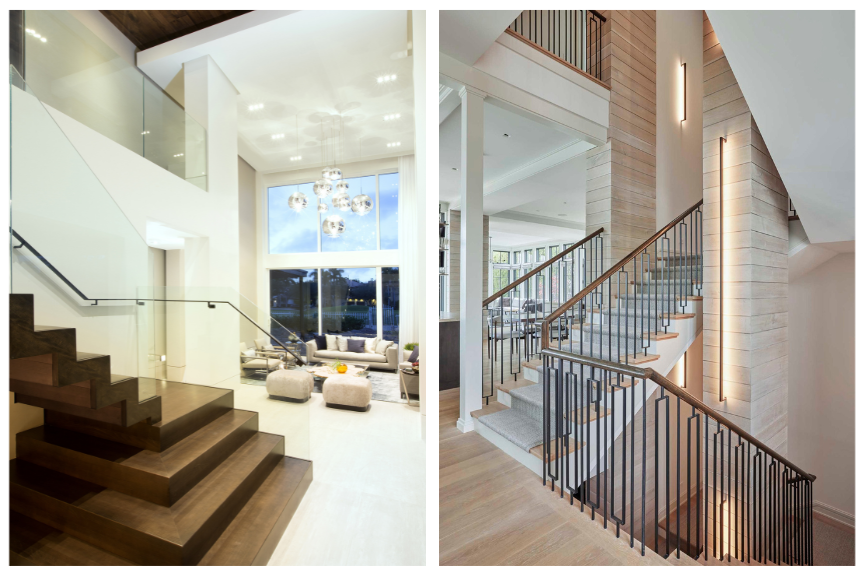
For more contemporary-style homes, designers are introducing cable railings or glass walls on the outer side. Zuber says many clients favor these looks because they allow in more light and views. Janet Bertin, of Janet Bertin Decorating Den Interiors, added metal cable railing in a client’s traditional suburban home to update it. She paired the cable with oak treads stained a medium gray to match the flooring. She also made the risers white and ran a carpet runner in tightly woven blue wool. “The finished look helped to freshen what was an ordinary suburban home and for a fairly modest cost of about $15,000,” she says.
Designer Ioana Tzatcheva of Ioana Todorvoa Designs, Decorating Den Interiors, modernized the wood staircase in her suburban Colonial-style home by adding tempered glass panels and steel handrail and posts, all fabricated by a shower door company. “I wanted to make it a focal point and style statement,” she said. To match newly whitewashed floors throughout, stairs were capped with new white oak treads and risers.
Use Stair Modules
These days, many specialist stair companies build parts as modules off-site and assemble them in the house, which saves time and pares mistakes. That’s the case with Viewrail, which started out manufacturing traditional stair parts and has shifted to focusing on cable railings and glass walls. The company also manufactures floating staircases, which are certified for safety by the International Code Council.
The Rundown on Using Carpet (or Not)
Nowadays, it’s rare for a designer to favor fully carpeted treads. That said, runners still work in some cases. Depending on the wood designers find underneath, they may stain and finish the boards, paint them if they’re not in good shape and leave them showing or add a runner.
For safety, some professionals recommend wire-brushing stairs if left uncarpeted to avoid falls. But some like Zuber still prefer to leave most uncarpeted for a more modern look. Zilberman is also in the “no carpet” camp and feels if a stairway is done properly, it doesn’t need additional ornamentation and should be celebrated on its own.
Case, however, is among those who like adding a runner to avoid falls and buffer sounds. She favors flat, tight weaves in nylon or wool and classic patterns such as stripes or plaids.
If homeowners opt for adding carpet, an experienced installer is crucial to align patterns. Most runners, says designer Suzanne Wemlinger of Suzan J Designs, are installed in the waterfall method, where the carpet cascades down the stairs. Another option is the more expensive Hollywood or Chicago style where each stair and riser share a separate piece of carpet.
Add Accessories
Though a stairway often functions as its own statement, especially when in or near the foyer, homeowners might want to consider the surrounding space. Wallpaper, on a big comeback, or paint add color and style to the space surrounding the staircase. A large light relative to a foyer’s size can add more drama and set off a stairway, says Segal.
Other traditional additions: a table or chest, mirror, seating, artwork and area rug that repeats what’s on stairs or floor cloths that are easy to clean, Case says. Skibicki likes applying faux-wood panels along a stairwell to add texture. “But any additions are a good way to add individual style,” she says.
You needn’t be scared of the bold and colorful styles spicing up more interiors lately. (Yes, that even includes Barbiecore—for now.) Instead, the aesthetics that have grown tiresome in the eyes of many designers tend to fail at successfully balancing that fine line between too little and too much, along with embracing some unusual shapes (hello, blobs and spray foam!) and scratchy fabrics (we see you, bouclé).
Each year, new scares and frights emerge to haunt the interiors of our homes. Remember 2022’s most horrifying trends, which included the “cloffice” and wallpaper murals? (Eek!)
Get ready to gasp and scream with the Styled, Staged & Sold blog’s annual countdown of the overdone trends we’re ready to say goodbye to in the new year. This list is compiled from designer input and consumer surveys.
10. All-white bathrooms
Photo credit: ArchiViz / Getty Images
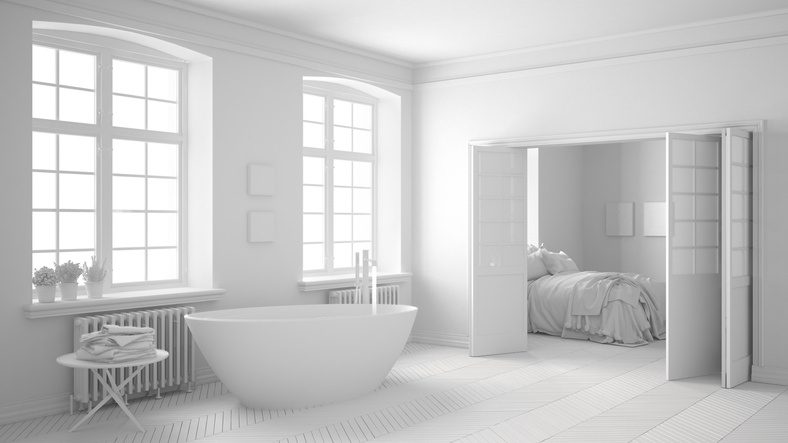
In an interior design world that now howls for more color, all-white bathrooms are starting to feel cold and dead. More than a quarter of interior designers surveyed by Fixr.com, a home remodeling site, called out all-white bathrooms as the top home trend they hope will slither away into the ethos. Instead, designers want to see more color: Nearly 60% of designers called colorful bathroom interiors, especially through shower tiles, a hot trend to embrace this year.
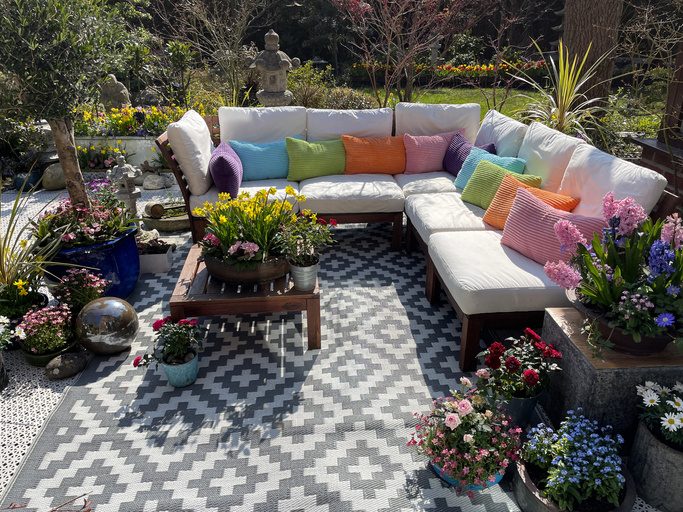
9. Outdoor maximalism
Photo credit: Mtreasure / Getty Images
Since the pandemic, homeowners have been trying to use every square inch of their yards. They’re filling their outdoor spaces with abundant potted plants intermingled with firepits, yard games, party lights, outdoor kitchens, statues and accessories, gardens—all accented by brightly colored furnishings, pillows and patterned rugs. Sure, color is in—but this can grow into an overly designed nightmare. Designers say it’s time to scale back some of that overdone outdoor style. Stick to one neutral color palette and let the greenery and nature surrounding you serve as your main outdoor focal point.
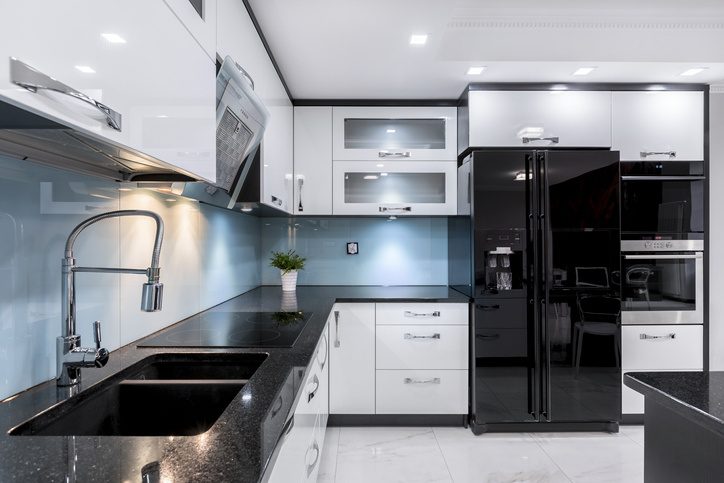
8. Black stainless steel appliances
Photo credit: in4mal / Getty Images
We’ve heard the screams of horror from some homeowners who say this alternative stainless steel finish is not living up to its hype. They’ve complained it’s prone to peeling, chipping and flaking. Their complaints have even sparked a class-action lawsuit(link is external), accusing one major manufacturer for perceived defects from its black coating. Traditional silver metallic stainless and black stainless are actually made from the same material, but black stainless has a coat of black paint. If it scratches, the shiny steel could potentially pop through underneath and make for some highly visible scratches.
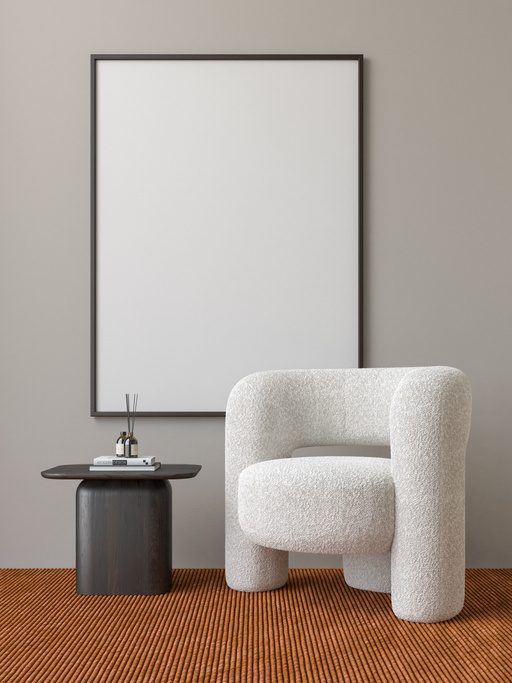
7. Bouclé fabrics
Photo credit: Hemul75 / Getty Images
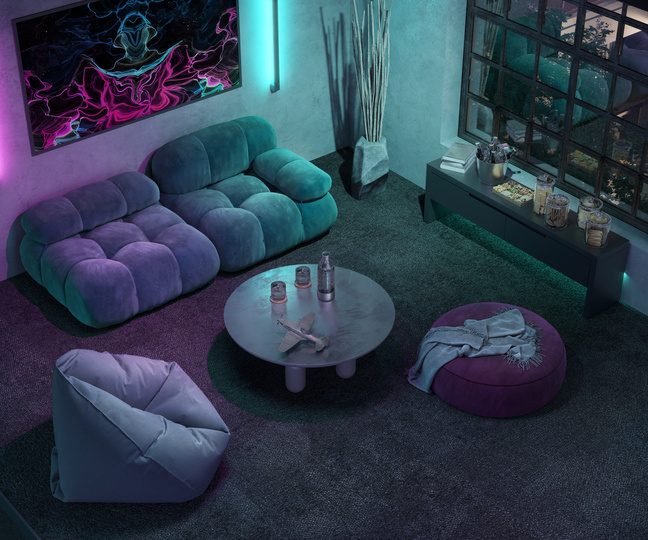
Bouclé has become a popular choice for sectional sofas and chairs. But they’re not just being used as accents; they’re getting scattered all over the home. Designers warn that the look isn’t aging well. Bouclé fabrics are made from a tightly woven, looped yarn material, often crafted from wool, cotton or linen. It appears lumpy, textured and foam-like. It’s often used in curved furnishings to offer warmth and cozy vibes. But here’s some bad news for bouclé: The fabric can be prone to pilling, is not pet-friendly and sometimes appears dirty, particularly when used in off-white or creamy fabrics.
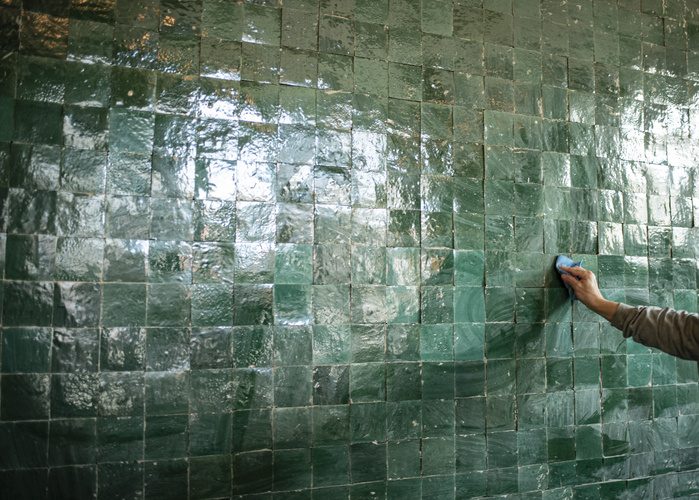
6. Zellige tiles
Photo credit: Pxel66 / Getty Images
These Moroccan clay tiles, which are often shaped like small squares, are known for their imperfections. No two Zellige tiles look alike. But those imperfections can look sloppy, particularly on a kitchen backsplash or as shower tile with a shiny glaze that spotlights its unevenness. Particularly concerning, Zellige tiles installed on the floor could pose a trip hazard due to their unevenness and irregular shapes.
5. Super shiny surfaces
Photo credit: Alabn / Getty Images
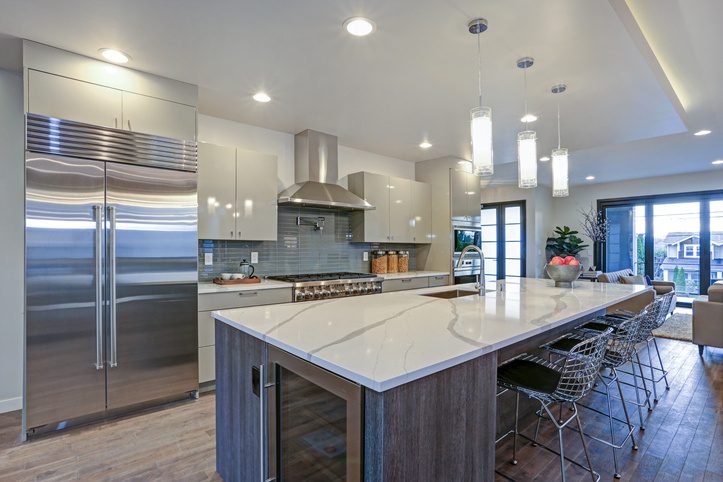
Grab your sunglasses. From cabinet fronts to countertops, stainless steel appliances to range hoods, and backsplashes to floors, the trend toward shiny, glossy surfaces is reflecting poorly. These overly polished fixtures are now getting swapped out for more organic, natural materials and textures. Countertops, for example, were once favored in polished, super-shined quartz or granite. Designers are now showing preference for honed or matted finishes offering a softer sheen that’s less reflective and has a more organic, slightly textured finish.
4. Low backsplashes
Photo credit: Dpproductions / Getty Images
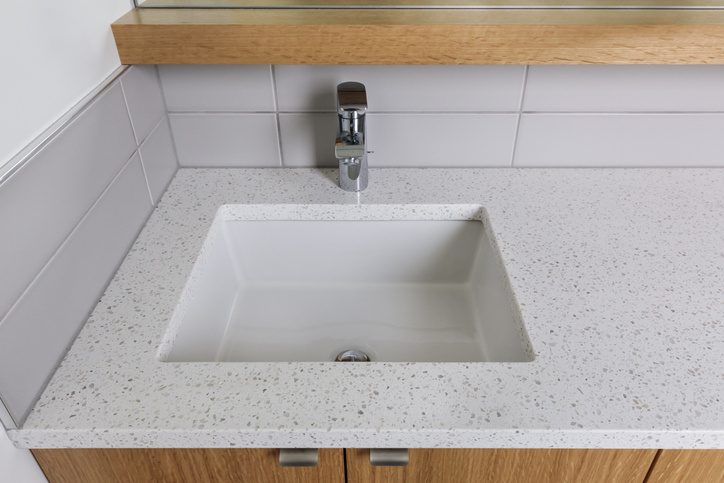
Another fading trend is the mini backsplash, which has a small edging that creeps up ever-so slightly around bathroom and kitchen countertops. Under today’s design lens, these now appear unfinished and underwhelming. Plus, the lower backsplashes aren’t providing much protection for the walls—which is the original purpose of a backsplash, after all. Fixr.com called out low backsplashes as one of designers’ least favorite kitchen trends for 2023. Instead, take backsplashes to new heights—even all the way to the ceiling—for grander statements.
3. Mirrored furniture
Photo credit: John Keeble / Getty Images
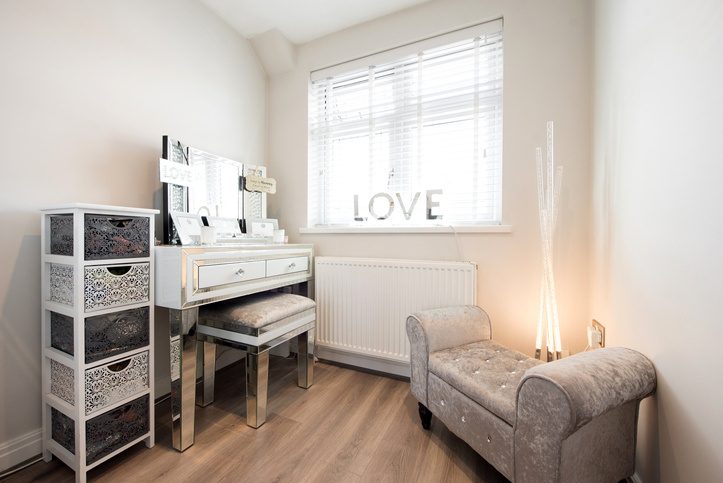
Designers love mirrors, but the trend went into overdrive. Mirrored furnishings, like nightstands and dressers, were meant to exude luxury and Hollywood glam. But you may want to reserve that flashy bling for the lighting fixtures, not the furnishings. Mirrored furnishings were last popular in the 1980s, and their quick re-emergence lately is already feeling outdated. Plus, designers say that mirrored furnishings are prone to fingerprints, smudges and bad reflections. (We see what’s hiding under that bed!)
2. Dining benches
Photo credit: Astronaut Images / Getty Images
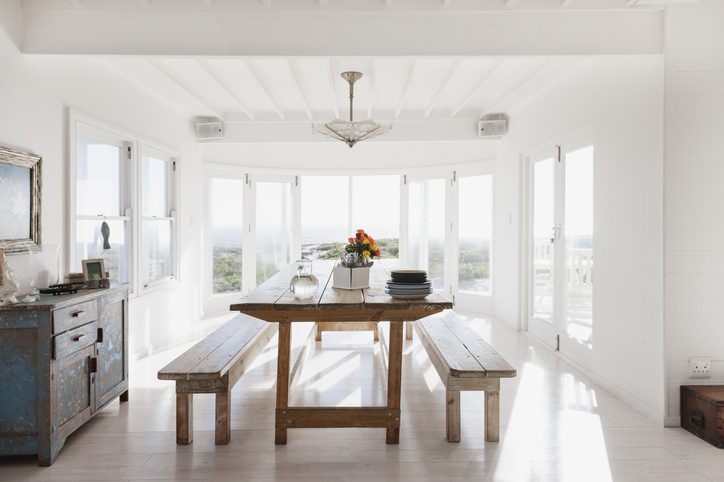
Backless bench seating used for kitchen dining tables were to help hide bulky chairs. These low-profile benches could easily slide underneath the table. They came in style with the farmhouse décor fad. But these benches are uncomfortable, cumbersome to slide onto, and can create an awkward moment of entrapment for whomever finds themselves stuck in the middle. Let’s bring back the chairs!
1. Blobs
Photo credit: Alvarez / Getty Images
The “blobby” home trend—also dubbed the “blobject”—has ushered in amoeba-like shapes in décor and furnishings, including curvy tables, wavy mirrors, plump furnishings and mushroom-like lamps. Similarly, a TikTok trend earlier this year unleashed a popular and potentially dangerous DIY project: using spray-foam insulation(link is external) (the toxic industrial foam used by builders) to coat tables, mirrors and home accessories. This globby, gooey gak coated many home accessories, making for foamy, wavy edges. Interior design influencer Phoenix Grey, known as the “Design Daddy,” called this one of the worst home design trends of 2023 and said the result “looks like it’s pulled from the intestines of a horror movie.” We agree! The blobs and spray foam are in stark contrast to the straight edges and clean lines that once dominated interior design. We welcome change, but sometimes a blob is just a blob. And, well, that’s not always pretty.
What do you think? What are the scariest design trends you’ve been spotting in 2023 and that you hope will fade in the new year?
Catherine Mesick 10/18/23Check out our DIY tips for staging a family-friendly homemade haunt. Hint: Start saving your empty toilet paper tubes now.
In October, the air feels a little crisper, the nights grow a little longer and many kids start thinking about costumes, candy and Halloween. More than a few adults get in on the spooky spirit of the holiday, too. Transforming your home into a haunted house is a great way to add a little eerie atmosphere for the trick-or-treaters who come knocking at your door. Here, we share a few tips on how to create a DIY haunted house that’s fun, safe and just the right level of scary for the little ghosts, ghouls and goblins that will be haunting your neighborhood this Halloween.
Have You Met My Mummy?
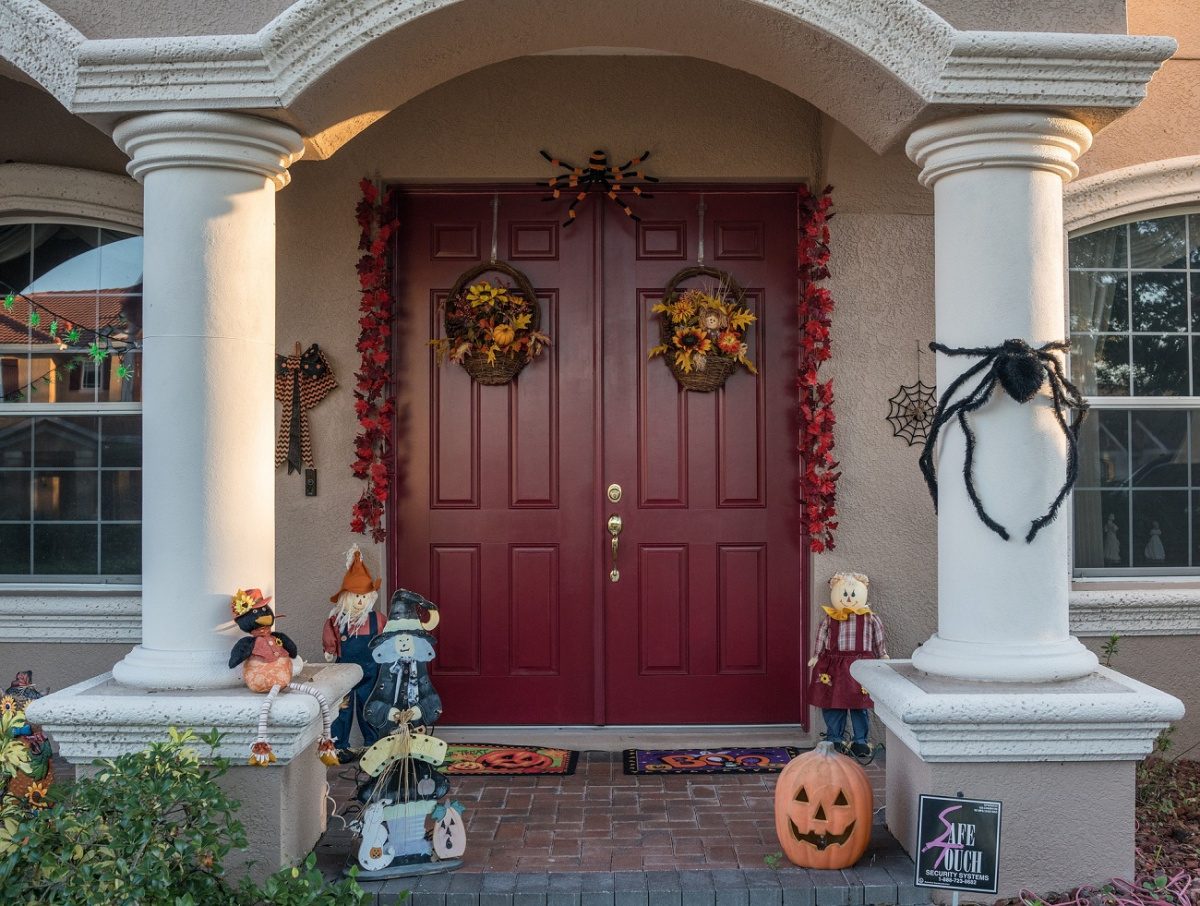
Kick off your haunt with an eye-catching entrance. Decorating the front of your house with cornstalks, jack-o’-lanterns and cardboard gravestones(link is external) is a low-cost way to set the scene. For an extra ghostly touch, spray-paint your pumpkins white. You can also guide trick-or-treaters up to your door with Halloween inflatables like witches, skeletons and spiders.
Don’t forget to gussy up your front door with a costume: Wrap your door with white paper streamers or medical gauze and add a pair of plastic eyes to transform it into a monstrous mummy(link is external).
You can even set up an inexpensive portable fog machine to add some mysterious mist. But be sure to leave the porch lights on so younger kids can see what’s going on. “With kids, it’s about enabling them to look openly at everything,” professional haunted house designer Angela Colone tells ThePioneerWoman.com. “You don’t want to push your scene on them.”
Somebody’s Watching You
Floating candles(link is external) suspended from the ceiling are a magically spooky way to welcome trick-or-treaters into your haunted abode. And you can create eerie eyes(link is external) by cutting eye shapes into empty toilet paper or paper towel tubes and filling them with glow sticks.
You can set up separate stations or rooms for each of your haunted attractions. (And you can use yarn cobwebs(link is external) festooned with plastic spiders to cordon off areas that aren’t open to visitors.) Some fun haunted scenes include:
Haunted Library: Stock up on children’s books at a thrift store and have a witch, wizard or ghost invite kids to select a book to take home.
Dead Man’s Body: Have a mad scientist usher guests into the lab to see and touch body parts. Grapes can double as eyes, baby carrots make good fingers or toes, and jiggling Jell-O can be molded into brains(link is external). Pro tip: You may want to set up this attraction in the kitchen.
As visitors leave, consider gifting them with a non-food item: Halloween stickers, magic wands (you can make a DIY version(link is external)) and plastic spider rings are all good options. “Kids like to have something to take with them that isn’t just candy,” says Colone.
Share a Hair-Raising Tale
You may prefer to keep your haunted house entirely outdoors. If so, there are plenty of options for fun, al fresco frights.
Campfire: Set up a fake campfire—faux fires can be purchased cheaply online or fashioned from tissue paper and toilet paper tubes(link is external)—and have a costumed actor pass out blankets and flashlights. Your actor can tell scary stories or invite guests to share one of their own.
Haunted barnyard: Create a barnyard scene with pumpkins, cornstalks and hay bales (real or fake(link is external)). You can add inflatable ghosts or hang DIY paper lantern ghosts(link is external) from nearby trees. Have an actor dress up as a scarecrow to regale visitors with the barnyard’s spooky history.
If you’d like to go a little bigger for your outdoor haunt, you can often score cool Halloween props at low prices at secondhand shops and yard sales. “My biggest piece of advice would be to go to the thrift store and explore the entire thing, not just the Halloween aisle,” interior design blogger Kate Pearce tells ThePioneerWoman.com. “Thrift is cheap, and therefore, not a huge financial commitment.”
A few additional tips: If you do use actors, Colone advises having them wear makeup rather than masks. Masks can be frightening for younger kids. She also suggests that actors use their natural speaking voices rather than trying to adopt a scarier one. And the number one piece of advice? Give your imagination free rein to play. On Halloween, says Pearce, “you can really have fun and let your mind run wild.”
If the days getting shorter and brisker have you considering where you might go to get away this winter (for those of us who do NOT have 360 days of sunshine a year), we encourage you to read our October selection, featuring the Coldwell Banker Real Estate Turks & Caicos office. General Manager Louise Peterson paints a picture of a gorgeous tropical island where you enjoy near constant tropical climes, with plenty of outdoors activities and beautiful scenery to explore. Of course, you could also just relax and enjoy the fresh seafood as well.
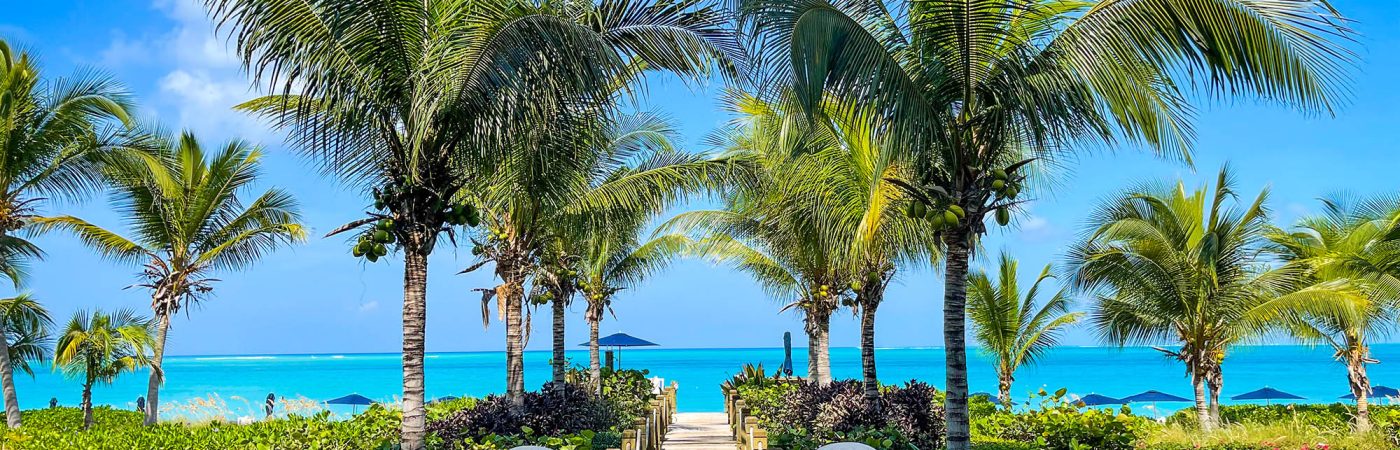
“After a busy day of work and school we get into our bathing suits and head to Grace Bay Beach by Coral Gardens Resort. There we put on our snorkel and mask, swim out to the reef where we can enjoy the warm ocean and look for colorful tropical fish,” states Peterson. “We can do that each and every day of the year. There aren’t many places in the world where that’s possible.” As Peterson notes, there are very few places where this is possible. Read on to discover many of the potential reasons to visit, move, or invest in the beautiful Turks & Caicos Islands (or TCI, as the locals refer to it).
Where do you live? Coldwell Banker Real Estate Turks & Caicos has an office in the heart of Grace Bay at the Caicos Cafe Plaza on the island of Providenciales (or “Provo”) within the British West Indies. We enjoy about 350 days of warm sunshine each year and spend a lot of time outside walking the beach, snorkeling, kitesurfing and spending time with friends and family.
What is the perfect weekend day like? TCI enjoys a tropical climate tempered by trade winds and the average year-round temperature is about 82 degrees. A perfect weekend day would be to head out on the water to look for JOJO the dolphin, our most famous resident. JOJO is an Atlantic Bottlenose Dolphin who swims freely in the water off Grace Bay in Providenciales. He was first spotted in the early 1980’s and was declared a National Treasure by the Government in 1989. The water surrounding these islands is spectacular, we are so fortunate to be able to live in a country where we can enjoy such a healthy lifestyle.
What are the common modes of transportation there? Drive cars or hire a taxi.
Tell us about the foods your area is known for. The food in TCI is strongly influenced by several cultures including African, Jamaican, Bahamian, Spanish and Lucayan. Traditional dishes such as Boiled Fish and Grits, Johnny Cake, Conch fritters, Hominy and Crab, Jerk Chicken or Fish, Peas and Rice are all extremely popular. Fishing is a large industry here as well. We do like spicy food and eat a lot of fresh fish and lobster. If you are a foodie, you would love our restaurants as we have some of the best chefs in the world living right here in our backyard.
What is your favourite meal, at home or at a restaurant? At a restaurant or at home, both are great. My favorite is Conch (pronounced KONK), it’s fished locally. Anything with conch is delicious, conch salad is my favorite and so healthy! It is made from conch (diced), green and red pepper, sweet onion, Habanero pepper, fresh squeezed orange and lime juice, salt and pepper. It can also be enjoyed as conch fritters, cracked conch, stewed conch, jerk conch but the best is a fresh conch salad!
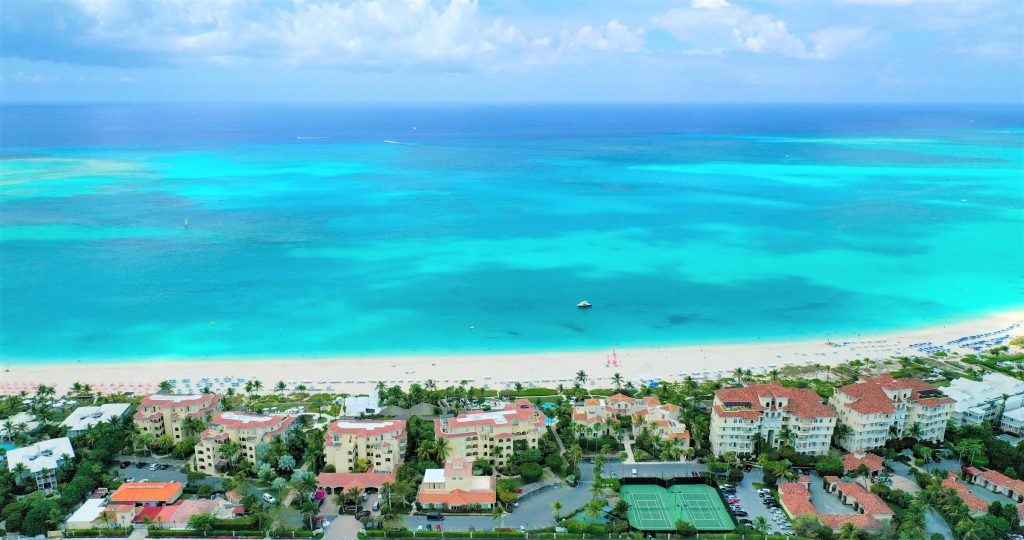
Where do you recommend someone vacation in your region and why? If you are coming to TCI for the first time, then a vacation in Providenciales would most likely be your first choice. The hotels are amazing, the restaurants superb, and the beaches stretch for miles. The best part is getting out on the water. Deep sea fishing, boating, kitesurfing, snorkel excursions, scuba diving, kayaking through the mangroves – there is so much to see and do. Providenciales is the most developed island and home to luxury beachfront condos, estates and villas. North and Middle Caicos are a short 20-minute ferry ride from Providenciales. Not as much development as Providenciales and a slower-paced lifestyle. On North and Middle Caicos, the beaches are spectacular, and you often find you have them all to yourself. Salt Cay, known as The Island That Time Forgot, is a special island in TCI. It’s 2.6 square miles, the smallest island in the TCI and oh-so-quiet and peaceful. Hundreds of years ago, we had a thriving salt industry that was based on South Caicos, Grand Turk and Salt Cay. Salt Cay is a very popular “whale-watching” destination from January until late March each year as the whales pass through the Turks Island Passage. Salt Cay is like traveling back in time with the older style traditional Caribbean homes painted in bright colors with pretty wood shutters. A leisurely bike ride around the island, a visit with the donkeys and an afternoon siesta in a hammock would be the perfect day. Salt Cay is one of the quietest places I have ever been to, just the sound of the ocean waves and a light breeze. The permanent resident population in Salt Cay is about 65 people.
What is your favourite recreational or leisure time activity? Watersports are huge in TCI and if you like sandy beaches and ocean-based sports this is your place! Kiteboarding is also a favorite activity.. The beach at Long Bay (South-East side of the island) is a perfect location for kiteboarding, windsurfing and jet-skiing as it’s a shallow crescent shaped bay that has an almost constant breeze. We spend a lot of time jet-skiing around Provo or taking the skis over to the other small islands like Pine Cay, Fort George, Dellis Cay and even as far as North Caicos. To see the islands from the water is special for us.
Is there a specialty your area is known for? We have a very special event at the end of every year, and it’s called Maskanoo. On December 26th each year we have a street festival celebration along the Regent Village area in Grace Bay. The roads in the area are closed and everyone comes out to eat, shop, listen to music, dance, and celebrate. It’s one of TCIs’ biggest cultural events of the year sponsored by the T&C Hotel Association. The parade is amazing and if you are visiting us during late December do mark that date on your calendar.
Share a little known but interesting fact about the area/region: By total landmass, the Turks & Caicos Islands is one of the world’s smallest countries. Most development in the country has taken place over the last 40 years. T&C is a Tax Neutral Jurisdiction and has an attractive tax environment. TCI has no property tax, no income tax, and no capital gains tax. No restrictions on foreign individuals owning property here, either. The development here is low-density, there are no large buildings or towers allowed. We enjoy the quiet relaxed pace of island life.
If you were to live in any other region where we have a Coldwell Banker presence, where would it be and why? I love it here, we live a very sporty lifestyle, always outside at the beach or in the ocean exploring the marine life. I’ve travelled to many continents, countries and places in my lifetime, but I’ve never seen anything as special as Turks & Caicos. We are blessed to live here.
Territory Summary:
Turks & Caicos is a British Overseas Territory (UK). We are located 575 miles south-east of Miami Florida. Our Lat/Long position is 21.6940 degrees N, 71.7979 degrees W. We are an archipelago of 40 low-lying coral islands in the Atlantic Ocean. The Turks & Caicos Islands are surrounded by 340 miles of barrier reefs. Our reef is the third largest barrier reef in the world. There are eight main islands comprised of two sets, the Turks Islands (Grand Turk and Salt Cay) and the Caicos Islands (West Caicos, Providenciales, North Caicos, Middle Caicos, East Caicos, and South Caicos). The Columbus Passage (also known as Turks Island Passage) separates the two sets of islands. The passage is 7,000 feet deep and 20 miles wide. There are three inhabited private Cays in the Turks & Caicos – Ambergris Cay, Parrot Cay, and Pine Cay. East Caicos and West Caicos are both undeveloped islands. Tourism, Financial Services and Fishing are the primary industries. Very strong tourism industry with hotels and resorts or vacation villa rentals. Low lying islands south-east of Miami Florida; east of the Bahamas and north of the Dominican Republic.
Key Facts:
Population: 47,700
Language(s) Spoken: English, Spanish, French and Creole
Climate: Tropical
Currency: USD
Industry Facts:
Types of Architecture: British Bermudian Colonial and Modern Caribbean Contemporary
Average Sale price: Average Sales Price $1.5 Million USD;
Average Home Sales Price $3.8 Million USD (residential detached single family)
Average years in house/apt: 15 years
Types of Financing: Traditional Bank Mortgage; Private Bank Financing; Pre-Construction Staged payments during construction with balloon payment at completion.
Follow Coldwell Banker Real Estate Turks & Caicos on social media!
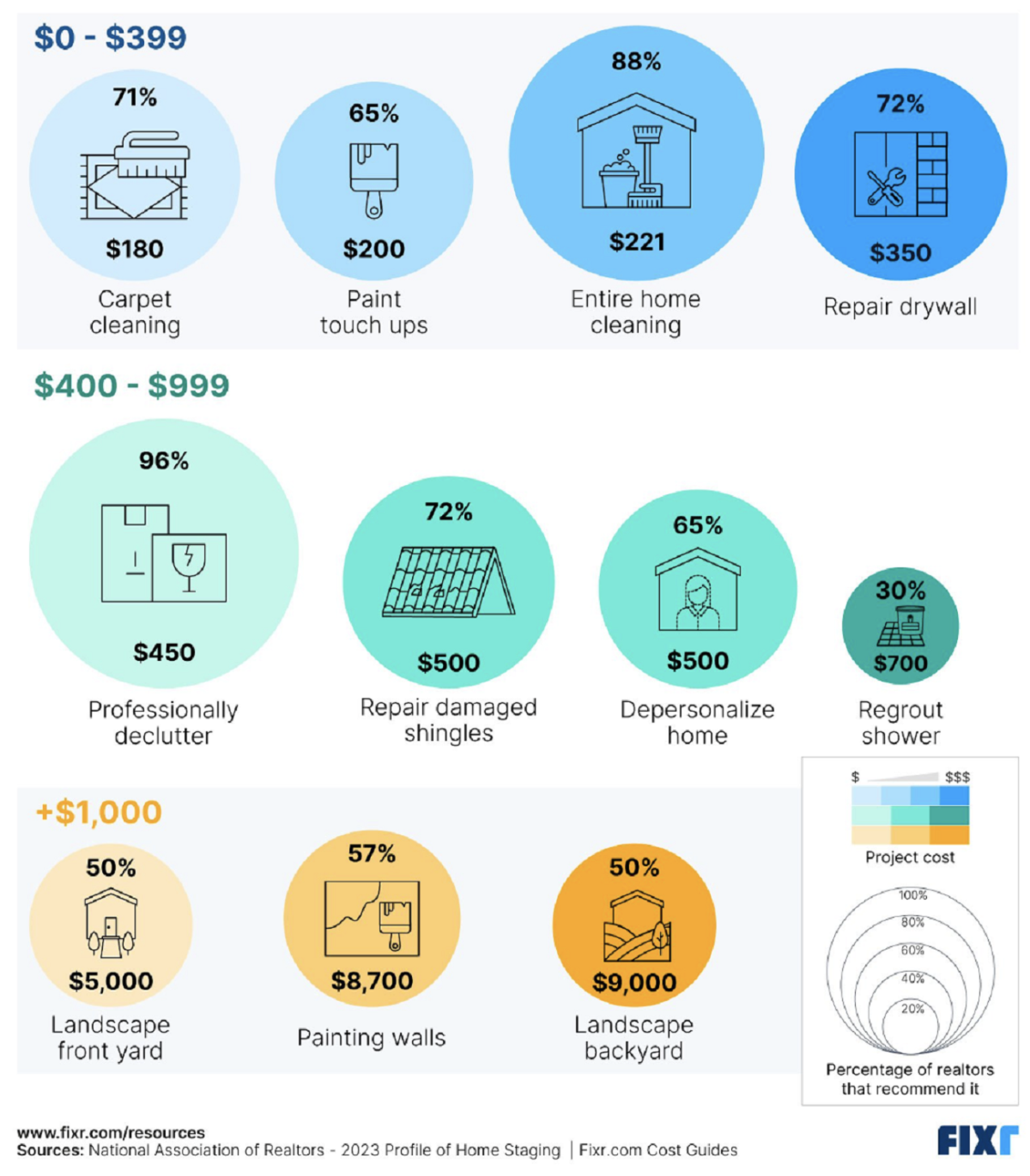
Many home sellers want to move fast, but they’ll likely need to do some prep work to get their property show-ready. But sprucing up a property needs to be strategic to maximize results. That’s where a real estate professional and home stager can come in to help.
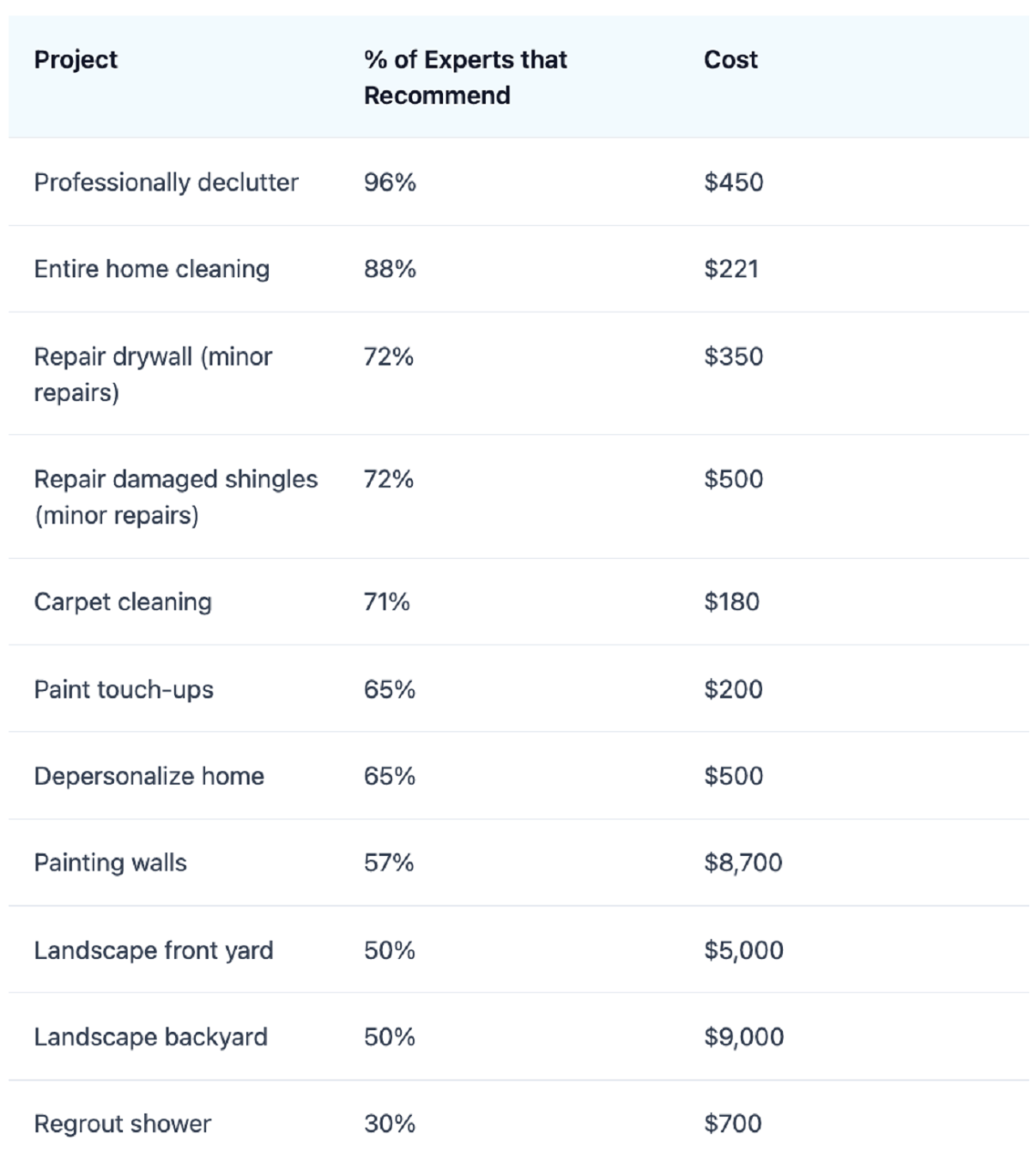
Fixr.com(link is external), a home improvement resource, recently compiled a list of the home staging projects that real estate professionals most commonly recommend to their sellers, as well as the cost for each project. The site culled information from the National Association of REALTORS®’ 2023 Profile of Home Staging. View the breakdown of the top projects below.
Below, find a list of overall projects often recommended, along with the pricing for each.
Melissa Dittmann Tracey 8/3/2023These areas of the country are attracting the most new residents and seeing the fastest economic expansion in the U.S., according to a new analysis.
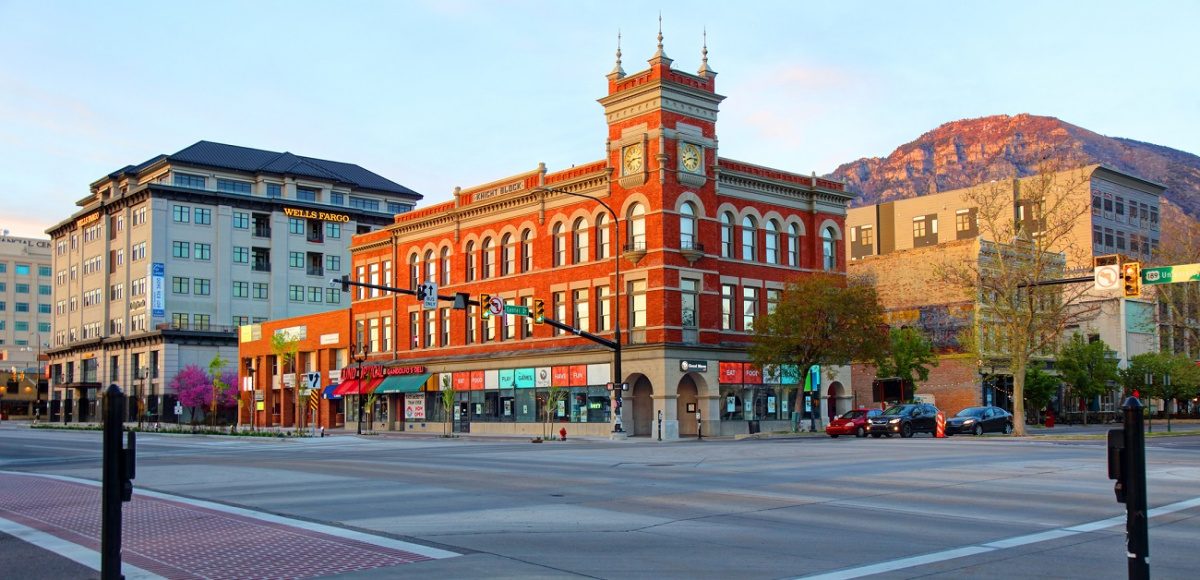
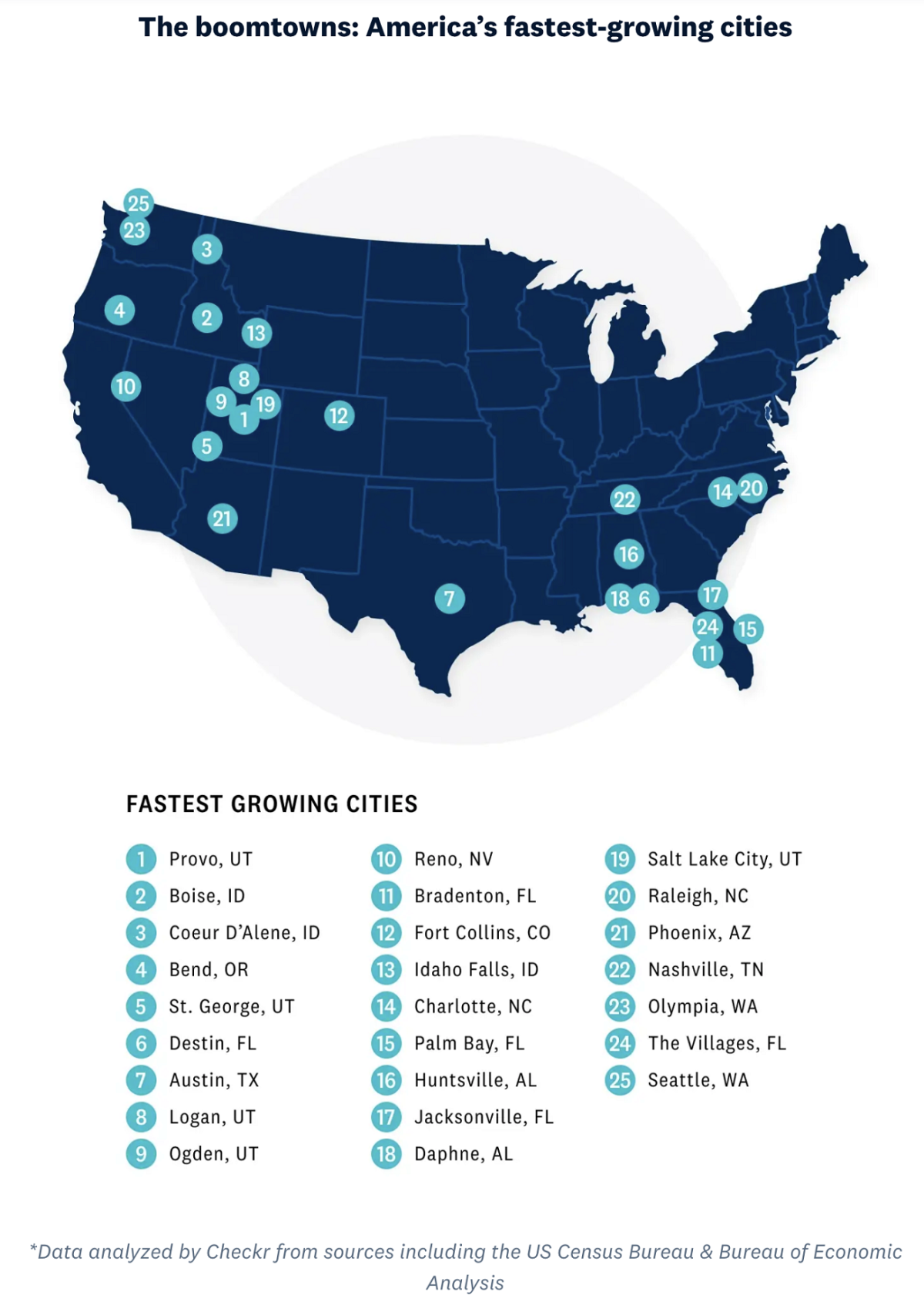
The city of Provo, Utah, is the biggest boomtown in America, gaining the most new residents and experiencing the sharpest economic expansion in the nation, according to a new analysis(link is external) by background check company Checkr. In fact, Utah claims four of the biggest boomtowns in the U.S.
Checkr’s analysis defines a “boomtown” as a city that has experienced rapid economic growth and development in a short period of time. Using data from the Census Bureau and the Bureau of Economic Analysis, Checkr factored in metrics like growth in population, workforce, housing units, personal income and businesses to compile its list of America’s biggest boomtowns in 2023.
Besides Provo, cities in Utah that made the list include St. George (number five), Logan (number eight) and Ogden (number nine). “Utah has fostered a business-friendly environment that has attracted companies from various industries, including technology, finance, health care and outdoor recreation,” researchers note. “This has led to job opportunities and a steady influx of professionals and skilled workers seeking employment in these thriving sectors.”
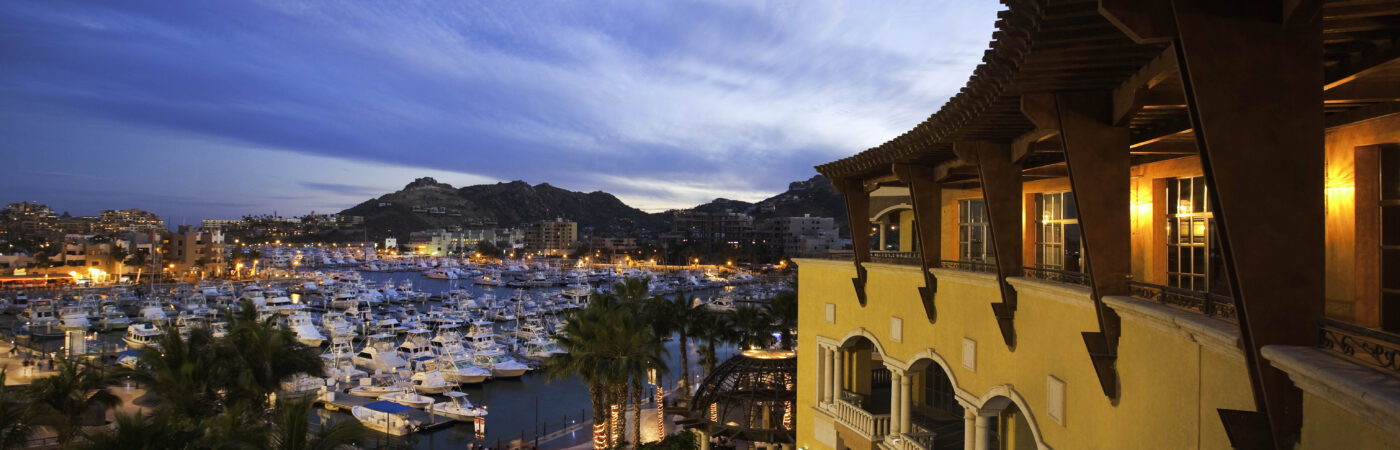
Whether you’re looking for a place to spend a long weekend or purchase a second home, we think that there is a great chance you will find something to like about Cabo San Lucas on the west coast of Mexico. Home to the Coldwell Banker Riveras office, Cabo San Lucas is a stunning coastal town with incredible beaches, extraordinary marine life, and of course, delicious Mexican cuisine with an emphasis on fresh, locally caught fish. There is plenty to do if you prefer adventure, from scuba diving, horseback riding, and sport fishing. For those of us who like to relax, I recommend long beach days, wine-tasting, and live music and dancing.
After reading broker-owner Leticia Diaz Rivera’s recommendations below, you should be ready to book your trip. She even has a full-day itinerary for you to get the full Cabo San Lucas so you can choose your own adventure. Between the incredible wildlife, fresh seafood cuisine and warm climate, I think this would make the perfect winter getaway, and I imagine you will agree!
Where do you live: Cabo San Lucas, Baja California Sur, México
What is the perfect weekend day like:
Breakfast with a View: Start your day with a delicious breakfast at a beachfront restaurant, savoring local delicacies like huevos rancheros or chilaquiles. The stunning ocean view and the sound of crashing waves will set the perfect tone for the day.
Beach Time: After breakfast, head to one of Cabo’s famous beaches like Medano Beach, Chileno, Santa María. Rent a beach chair, soak up the sun, and take a refreshing dip in the crystal-clear waters of the Sea of Cortez.
Mid-morning: Water Activities: Cabo San Lucas is renowned for its water activities. You can go snorkeling or take a boat tour to the famous El Arco, a natural rock arch at Land’s End, where the Sea of Cortez meets the Pacific Ocean. Keep an eye out for playful sea lions along the way! Also in the winter season you can watch humpback whales.
Lunchtime: Lunch at a Local Eatery: Enjoy a leisurely lunch at a traditional Mexican restaurant or a beachside palapa, where you can relish fresh seafood dishes and other regional specialties.
Afternoon: Explore the Marina: Stroll through the Cabo San Lucas Marina, where you’ll find a vibrant atmosphere, luxury yachts, and various shops. It’s a great place to pick up souvenirs or take a boat tour if you haven’t done so in the morning.
Evening: Sunset Cruise: Embark on a sunset cruise along the coast, offering spectacular views of the setting sun against the dramatic backdrop of the Arch. Many sunset cruises include a light dinner and open bar, creating a festive and romantic atmosphere.
Dinner at a Fine Restaurant: For dinner, treat yourself to a meal at one of Cabo’s upscale restaurants, many of which offer fantastic seafood dishes and international cuisine.
Nightlife and Entertainment: End your perfect day in Cabo by experiencing the vibrant nightlife. Head to downtown Cabo to explore the lively bars, nightclubs, and live music venues. Whether you prefer dancing the night away or enjoying a laid-back evening with friends, there’s something for everyone.
05Dec2019 | Baja
What are the common modes of transportation there: Walking: Depending on where you stay, some of the popular areas in Cabo can be explored on foot.
Rental Cars: Many visitors prefer to rent a car to explore the region independently. Several international car rental companies have offices in Cabo San Lucas. Having a rental car gives you the freedom to visit nearby towns, drive along the Cabo Corridor and beaches at your own pace.
Public Buses: There is a local bus service, known as the “Ruta del Desierto,” that operates between Cabo San Lucas and San Jose del Cabo. The buses are generally safe and inexpensive, making them a budget-friendly option for travel between the two cities.
Local Taxis & UBER : Taxis are a convenient and readily available mode of transportation in Cabo. You can find them at designated taxi stands, hotels, and popular tourist areas. Or you can use UBER as well.
Tell us about the foods your area is known for: Fresh Seafood: Being a coastal destination, Cabo is renowned for its fresh and flavorful seafood dishes. You can enjoy a wide range of options, including fish tacos, ceviche, oysters, clams, seafood cocktails, grilled fish, and lobster.
Look for dishes that feature locally caught fish, from the Sea of Cortez, regional cheeses, homemade tortillas. You can enjoy from the best “machaca” burritos to have a five-star fine dining experience.
What is your favorite meal? At home or at a restaurant: Fresh fish filets prepared any style, Guacamole, green enchiladas and Burritos de Machaca (shredded and seasoned dried meat, known as “machaca”. You can get beef or fish machaca) with a side of fried beans and local fresh cheese. You can add avocado and salsa. Delicious.
Where do you recommend someone vacation in your region, why: I will recommend to rent a car and drive to La Paz city, expend at least 2 days. it is a 2 hour drive and also you can stop in the half way in the magical town of Todos Santos and experience a wine tasting at Las Tinajas Winery, the local wine producer that has world class wines and fruit wines to refresh the palate. Continue to La Paz that is known for it’s beautiful beaches such as Balandra considered the most beautiful beach in all Mexico. They have a beautiful Malecon (the coastal boardwalk) with stunning sunsets.
What is your favorite recreational or leisure time activity: Personally, I like horseback riding. You can explore the mountains, beautiful areas close to “Sierra de La Laguna” rides to waterfalls, desert canyons, and secluded beaches.
Is there a specialty your area is known for: I think sport fishing and diving. Since we have a remarkable marine life. As Jacques Cousteau said “The Sea of Cortes is the aquarium of the World” and Cabo San Lucas is well known for the international fishing tournaments, that have a jackpot of up to 4 million dollars.
Share a little known but interesting fact about the area/region: In Cabo San Lucas, we have the annual sport fishing tournament the Bisbee’s Black & Blue Marlin, which is the biggest tournament around the world. The cash prize are several million dollars for the winning teams.
Another fact: We have Cabo Pulmo is known for its remarkable marine life and being home to the oldest and most successful marine reserve in Mexico. Established in 1995, it covers an area of about 27 square miles (70 square kilometers) and is one of the most successful marine reserves in the world. The reserve is famous for its diverse and pristine underwater ecosystem, including vibrant coral reefs, abundant marine life, and healthy fish populations.
If you were to live in any other region where we have a Coldwell Banker presence, where would it be and why: Vancouver, Canada. I love their city, green areas, they have the ocean and beautiful mountains.
Territory Summary: The state has shared much of its history with the rest of the peninsula, which remained in Spanish possession until 1822, the year after Mexico gained its independence. In 1830 La Paz was named the capital of Baja California. In 1887 the peninsula was divided into two federal districts. Baja California Peninsula is approximately 1,247 kilometers long from Mexicali in the North.
Key Facts:
Population: 800,000
Language(s) Spoken: Spanish, English
Climate: Dry and Desert
Currency: MXN Pesos
Industry Facts:
Types of Architecture: Desert, modern, colonial, contemporary

 Facebook
 X
X
 Pinterest
 Copy Link




 Share
Share