 Facebook
 X
X
 Pinterest
 Copy Link
Kait McMurdo November 26, 2025
Corsica, a Mediterranean island belonging to France, is celebrated for its striking contrasts — rugged mountains, pristine beaches, and villages steeped in tradition. Known for its strong cultural identity and commitment to preserving its natural beauty, the island offers visitors an experience that blends outdoor adventure with authentic regional flavors. From scenic coastal drives to hiking trails with panoramic views, Corsica remains one of Europe’s most distinctive destinations. Coldwell Banker Allegrini Realty opened this year, bringing the 119-year old brand to the island for the first time.
As Stéphane Dolesi and Laetitia Allegrini, Managing Partners of Coldwell Banker Allegrini Realty, explains: “Our mission is to promote Corsica’s unique lifestyle while ensuring that development remains respectful of its environment, traditions, and architectural harmony.” In this conversation, they share what makes Corsica unique — from its culinary heritage and leisure activities to the best places to explore. Whether you’re planning a visit or simply curious about the lifestyle, Stéphane and Laetitia’s insights provide a clear picture of why Corsica continues to captivate travelers from around the world.
Where do you live? I live in Corsica, a beautiful island in the Mediterranean Sea, part of France.
What is the perfect weekend day like? A perfect weekend day starts with breakfast in the village square, followed by a water activity such as paddleboarding or a boat trip to enjoy a picnic in a secluded cove with turquoise waters. The day ends with an apéritif at sunset — the best way to enjoy the island’s atmosphere.
What are the common modes of transportation there? Most people travel by car, as it’s the easiest way to reach beaches, villages, and mountain areas. But there’s also a small, typical train that runs along the coast and crosses the island through the mountains — it’s a charming and scenic way to discover Corsica.
Tell us about the foods your area is known for. Corsica is famous for its rich traditional cuisine made from local ingredients — cured meats made from the island’s black pigs, chestnut flour, and cheeses like Brocciu, made from sheep’s milk. Honey and olive oil are also regional specialties.
What is your favourite meal, at home or at a restaurant? My favorite dish is Corsican veal stew with olives, served with cannelloni au Brocciu, a typical local cheese pasta dish. I prefer having it at home, especially when it’s cooked by my grandmother — it always tastes better with her special touch.
And for dessert, I love fiadone, a light cake made with Brocciu and lemon, or the traditional Corsican chestnut cake.
Where do you recommend someone vacation in your region and why? I would recommend the Balagne region for a holiday. Nestled between the sea and the mountains, this northwest area of Corsica — once called “the breadbasket of Corsica” — is a land of abundance, where olive trees, vineyards, and citrus orchards have flourished for generations. Its landscapes remain beautifully preserved, with crystal-clear waters, wild coves, and many charming hilltop villages. The atmosphere is warm and family-oriented, and the region has retained all its authenticity.
What is your favorite recreational or leisure time activity? Nautical activities are highly appreciated. Waiting for the sunset on a boat with a glass of rosé wine and some charcuterie as an appetizer is a true pleasure. I’m definitely more of a sea person, but I also enjoy hiking in the mountains to admire breathtaking panoramic views of the island.
Is there a specialty your area is known for? Corsica is well known for its artisanal products such as olive oil, honey, chestnut flour, and cheeses. The island also produces excellent wines, delicious canistrelli (traditional dry cookies), and Corsican clementines, which have a protected designation of origin.
Share a little known but interesting fact about the area/region: Corsica is home to the Scandola Nature Reserve, a UNESCO World Heritage Site known for its dramatic volcanic cliffs and exceptional marine biodiversity.
For a little touch of history — Corsica was briefly under British rule between 1794 and 1796, during the reign of King George III, before becoming permanently French again.
If you were to live in any other region where we have a Coldwell Banker presence, where would it be and why? Honestly, I can’t really see myself living anywhere else. But if I had to choose, I would probably pick Italy or Sardinia — for their climate, beautiful landscapes, rich cuisine, and culture that feel very close to ours.
Territory Summary:
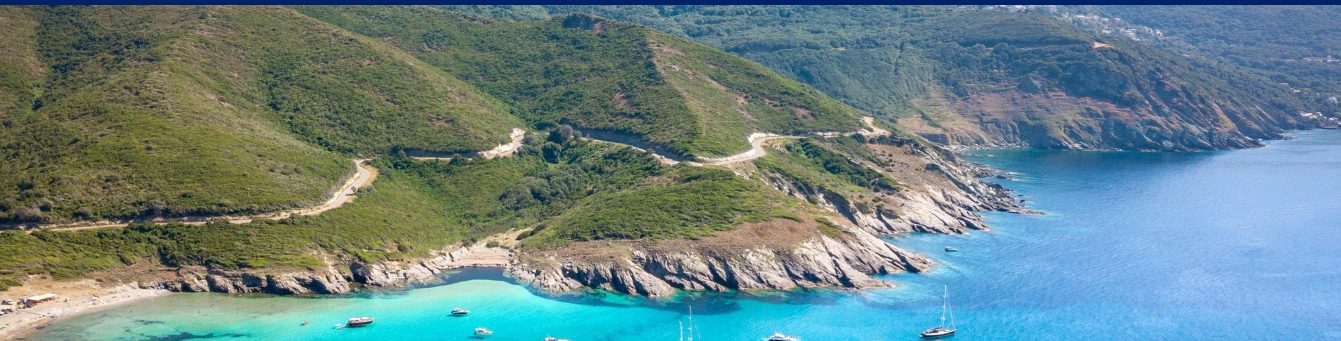
Corsica is a Mediterranean island located southeast of France, between the French Riviera and Sardinia. Mountainous and surrounded by turquoise coves, it offers a remarkable variety of landscapes — from the peaks of Monte Cinto to its pristine white-sand beaches.
Its economy relies mainly on tourism, agriculture (olive oil, wine, cheese, honey), and local craftsmanship, with growing attention given to promoting regional products and protecting the environment.
Rich in a turbulent history, Corsica was successively Genoese and then French since 1769. It is also the birthplace of the famous Napoleon Bonaparte and the patriot Pascal Paoli, a leading figure of Corsican independence and author of the first democratic constitution in modern history.
Today, Corsica maintains a strong cultural identity, expressed through its language, music, and traditions. Proud of their roots, the Corsican people remain deeply committed to preserving their coastline, their wild nature, and the timeless beauty of their island.
Key Facts:
Population: 350,000
Language(s) Spoken: French and Corsican
Climate: Mediterranean, with hot, dry summers and mild, wet winters
Currency: Euro
Industry Facts:
Types of Architecture: Corsican architecture stands out for its diversity and deep historical roots.In major towns such as Bastia, Ajaccio, and Calvi, the style is strongly influenced by Genoese architecture, featuring colorful façades, narrow streets, and a distinctly Mediterranean character.In the southern villages, you’ll find solid granite houses, while the rural areas are dotted with small stone dwellings, often former shepherds’ huts or farmhouses.
Since the 1970s, other styles have emerged, including modern villas and contemporary apartments, similar to those seen on the French Riviera.Today, we’re fortunate to work with highly skilled architects who blend modern design with traditional materials, creating harmonious spaces that combine natural stone, green roof terraces, and wooden outdoor areas beautifully integrated into the Corsican landscape.
Average Sale price: A typical family home located near the coast, without necessarily having a sea view, usually sells for between €500,000 and €1,000,000. In contrast, the best-located luxury villas, offering the most stunning views or situated in the most prestigious areas, can reach several million euros.
Average years in house/apt: Owners generally keep their property for 10 to 15 years, or often pass it down within the family, as real estate is considered a long-term, intergenerational investment.